
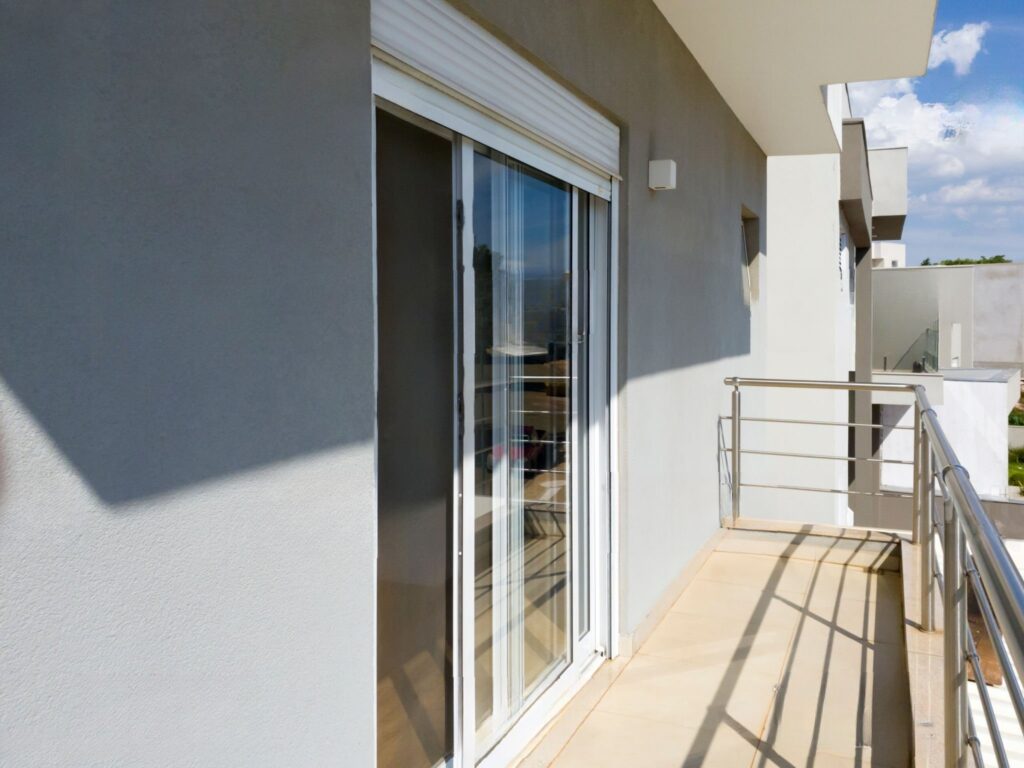
Yes — if your home sits inside Schenectady’s Stockade Historic District (or the city’s Union Street Historic District), you need a Certificate of Appropriateness from the Schenectady Historic District Commission before repainting any exterior surface visible from a public street, sidewalk, alley, or the Mohawk River, even if you’re using the exact same color already on the house. The residential application fee is $10, applications must be submitted at least two weeks before a Commission meeting, and the board meets monthly. Simple like-for-like repairs using identical materials and colors can sometimes qualify for a faster staff-level sign-off instead of a full Commission review. Here’s how the process actually works, what you’ll need to bring, and how to build it into your painting timeline.
Why the Stockade Has Its Own Rules
The Stockade isn’t just an old neighborhood — it’s the reason Schenectady has a Historic District Commission at all. Designated by the city in 1962, it was New York’s first local historic district, and it was later listed on the National Register of Historic Places in 1973 with its boundaries expanded in 1984. The National Park Service has called it one of the highest concentrations of historic-period homes in the country, with more than 40 buildings over 200 years old sitting on streets laid out in the 1600s. That density of genuinely old Dutch and English construction is exactly why the city put a review process in place: one owner’s paint choice, siding swap, or window replacement changes the character of the whole streetscape, not just one house.
The Stockade isn’t the city’s only protected district, either — Schenectady’s Union Street Historic District carries similar requirements, and both fall under the same seven-member Historic Commission (sometimes referred to as the Historic Resource Commission), which meets roughly monthly to review applications. Other Capital Region municipalities run their own versions of this process too — Saratoga Springs’ Franklin Square and East Side Historic Districts go through that city’s own Design Review Commission, which we cover briefly in our Saratoga Springs painting & remodeling cost guide. Troy runs a similar process through its own Historic District and Landmark Review Commission, covered in our Troy painting & remodeling cost guide.
What Actually Needs Approval
The rule of thumb the city and the Stockade Association both use is broad: any change that can be seen from a public right of way — a street, sidewalk, alley, or the river — needs sign-off first. That covers more than most homeowners expect:
- Exterior painting or repainting, including color changes and like-for-like refreshes
- Roofing replacement
- Siding repair or replacement
- Window and door replacement or style changes
- Sidewalk and walkway work
- Tree removal on the property
Work that isn’t visible from a public area — a back deck screened by a fence, for example — generally doesn’t require Commission authorization at all. And simple repairs that use identical materials and identical colors to what’s already there may qualify for a quicker City Staff-level approval rather than waiting for a full Commission meeting.
How the Approval Process Works
1. Confirm you’re in the district (and what’s changing)
If you’re not sure whether your property falls inside the Stockade or Union Street boundaries, the city’s Historic Preservation office can confirm it. It’s worth checking even if you’ve lived there for years — district boundaries were expanded in 1984, and not every longtime owner realizes their block was added later.
2. Call the city before you pick a color
The Stockade Association’s own guidance is to contact the city directly — (518) 382-5147 — for direction on what your specific project needs before you commit to paint. Unlike an HOA working from a pre-approved swatch book, the Commission doesn’t publish a fixed list of acceptable colors. Each request is evaluated against the district’s historic character, so it helps to bring documentation supporting your choice: the home’s architectural style and era, historic photos if you have them, or colors already approved on comparable houses nearby.
3. File the application, with the fee, two weeks out
Applications must be received at least two weeks before the Commission’s next meeting, and the fee is $10 for a residential property ($40 for commercial). Miss that window and you’re waiting for the following month’s meeting — a real scheduling risk if you’re trying to finish exterior work before the ground freezes.
4. Get your Certificate of Appropriateness before work starts
Paint shouldn’t go on the house until the Certificate is issued. Starting early — even on a repaint using a color that’s already there — risks a stop-work order and a redo if the Commission determines it needed review after the fact.
What This Means for Your Painting Timeline
Add the Commission’s review cycle to your project planning the same way you’d plan around weather. If the board meets monthly and wants applications in two weeks ahead, a straightforward request can realistically add three to six weeks to your start date once you count the time to prepare documentation, the filing deadline, and the meeting itself. That matters most right now: exterior painting in the Capital Region has a hard stop once temperatures drop for the season, so a Stockade homeowner aiming to paint this fall should be filing with the Commission now, not after getting a contractor’s quote. For the rest of what affects your start date — weather, prep work, crew scheduling — see our full project timeline guide.
Frequently Asked Questions
Do I need approval to repaint my house the exact same color?
In most cases, yes — the Commission’s standard covers any visible change, and full repaints are generally reviewed even when the color isn’t changing. Simple like-for-like repairs with identical materials and colors can sometimes get a faster staff-level approval instead of a full Commission hearing, but that determination is made by the city, not the homeowner, so check first rather than assuming.
What if I paint without getting a Certificate of Appropriateness first?
You risk a violation, a stop-work order, and potentially being required to repaint again in an approved color at your own expense. It’s a costlier and slower path than getting the sign-off up front.
Is the Stockade the only historic district in Schenectady?
No — Union Street Historic District has similar Commission review requirements. If you’re unsure which rules apply to your specific block, the city’s Historic Preservation office can confirm your property’s status.
Is a historic district the same thing as an HOA?
No. A municipal historic district like the Stockade is a local government designation with its own commission and legal review process, separate from any homeowners association. See our guide to HOA and condo painting approval if your property has both layers of review.
Will my painter handle the Commission application for me?
A painting contractor can help with the practical side — color samples, documentation of the proposed materials, and photos of the house — but the application itself typically needs to come from the property owner. We’re glad to prepare whatever supporting materials the Commission asks for.
Does an older Stockade home need anything else checked before painting?
Many Stockade homes predate 1978, which means federal lead-paint rules apply to any scraping or sanding in addition to the Commission’s historic review. See our lead paint guide for Capital Region homes for what that involves.
Get Your Stockade-Ready Painting Estimate
We’ve worked on exterior projects throughout Schenectady, including homes inside the city’s historic districts, and we’re happy to prepare the color samples and documentation your Commission application needs. See our Schenectady painting & remodeling cost guide for typical pricing before you budget for the Commission timeline.
Call or text 347-484-1724 or request your free estimate online.