
If your Capital Region home still has a textured “popcorn” ceiling, the first question isn’t removal versus skim-coat versus cover — it’s whether that ceiling needs to be tested before anyone touches it. Spray-applied ceiling texture product was effectively phased out nationally by 1978 because some formulations contained asbestos, and a lot of the Capital Region’s housing stock predates that. Once a ceiling is confirmed safe to work on, the real decision is which of three paths makes sense for your room, your budget, and how long you’re staying. Here’s how full removal, skim-coating over the texture, and covering it each play out.
Why So Many Capital Region Homes Still Have Popcorn Ceilings
Textured “acoustic” or “popcorn” ceilings were a standard, low-cost finish in American homes from roughly the 1950s through the late 1980s — cheap to spray, good at hiding framing imperfections, and briefly fashionable for its sound-dampening reputation. Schenectady and the surrounding Capital Region have a lot of housing stock from exactly that window, which is why the texture still shows up constantly in older capes, ranches, and colonials across Schenectady, Albany, Troy, Niskayuna, and Rotterdam.
Stop: Test Before You Scrape
Before any scraping, sanding, or demolition, a ceiling in a home built before 1980 should be tested by a qualified lab. This is the same pre-1978 caution line VividPro already walks homeowners through for lead paint — spray-on ceiling texture containing asbestos was common enough through the 1970s that assuming a ceiling is “probably fine” isn’t a safe shortcut. Testing is inexpensive relative to the job, and it tells you whether you’re looking at a straightforward DIY-adjacent project or one that needs licensed abatement first. VividPro doesn’t perform asbestos testing or abatement ourselves — we’ll tell you plainly if a ceiling needs that step before we touch it, and point you to a certified testing lab rather than guess.
Option 1: Full Removal
Full removal means wetting the texture, scraping it off down to the drywall, then skim-coating, sanding, priming, and repainting the ceiling. It’s the messiest of the three options — plan on covering furniture and flooring, and expect dust even with wet-scraping technique — but it’s also the only option that gets you back to a genuinely smooth, modern ceiling. It’s the right call if you’re staying in the home long-term, want the room to show well, or are combining it with other interior painting work anyway.
Option 2: Skim Coat Over the Existing Texture
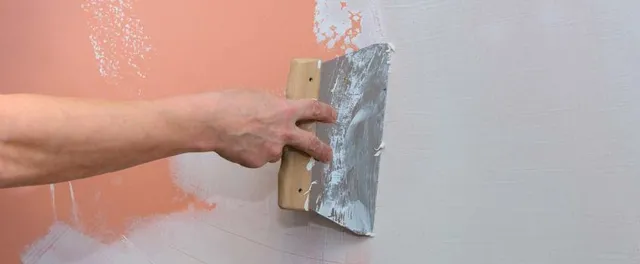
If the texture is sound — not flaking, peeling, or water-stained — a thin skim coat of joint compound can be applied directly over it, then sanded smooth and primed. This avoids the scrape-and-dust phase entirely, which makes it faster and considerably less messy than full removal, though it still requires a skilled hand to get a flat, even result. It’s a good middle option when the ceiling itself is in decent shape and the goal is simply to get rid of the texture look without a full teardown.
Option 3: Cover It
Covering — with a drywall overlay, drop ceiling, or ceiling panels — is the least invasive option and skips surface prep almost entirely. It’s most often the right call in basements, rooms where the ceiling is in rough shape (water staining, sagging, repeated patches), or jobs where budget is the deciding factor. The tradeoff is losing some ceiling height and, with a drop ceiling specifically, a different look than a flush drywall finish.
Side-by-Side: Cost, Mess, Timeline, and Height Impact
- Full removal: highest cost and mess, longest timeline (scrape + skim + prime + paint), no height loss, smoothest final result.
- Skim coat over texture: moderate cost, lower mess than removal, faster timeline, no height loss, result depends on how smooth the skim finish is pulled off.
- Cover (drywall overlay or drop ceiling): lowest mess and prep, cost varies by material, some ceiling height lost, best for rooms where the ceiling itself has real damage.
For an apples-to-apples sense of what drywall-related work runs in this market, see our drywall repair cost guide — ceiling work scales with the same labor and material factors.
How This Fits Into a Bigger Room Refresh
Ceiling work almost never happens in isolation — once a ceiling is scraped, skim-coated, or covered, the room needs priming and repainting to match, and it’s common to find wall drywall that needs patching at the same time. That’s the case for having one crew handle drywall and painting together rather than coordinating two separate contractors. If you’re also deciding between a patch and a full panel swap elsewhere in the room, our drywall repair vs. replacement guide covers that call in more detail, and our interior paint sheen guide is worth a look before repainting a ceiling that’s about to get a lot more light reflecting off it.
What to Ask a Contractor Before They Start Scraping
Beyond the asbestos-testing question above, ask how containment and cleanup will be handled (plastic sheeting, floor protection, HEPA vacuum for dust), how texture debris will be disposed of, and whether the quoted price includes priming and repainting afterward or just the ceiling prep itself. For the broader list of questions worth asking any contractor before signing anything, see our contractor red flags guide.
Frequently Asked Questions
Do all popcorn ceilings have asbestos?
No — not every textured ceiling contains asbestos, but spray-applied ceiling texture product was common enough through the late 1970s that any ceiling installed before 1980 should be tested by a qualified lab before scraping or sanding, rather than assumed safe either way.
Can I remove a popcorn ceiling myself, or should I hire a pro?
If a ceiling has tested clear, a careful, patient homeowner can wet-scrape a small ceiling themselves, though getting a smooth, even skim coat and paint finish afterward takes practice. Larger rooms, ceilings with any texture damage, or anything that hasn’t been tested are better left to a pro.
Is skim coating cheaper than full removal?
Generally yes — skim coating skips the wet-scrape and heavy cleanup phase, which usually makes it faster and less expensive than full removal, though the exact cost depends on the ceiling’s condition and room size.
How messy is popcorn ceiling removal, and how long does it take for an average room?
Full removal is the messiest of the three options even with wet-scraping technique to control dust — plan to cover furniture and flooring. Timeline depends on room size and whether the ceiling needs extra skim-coat work after scraping, but it’s typically measured in days rather than weeks for a single room.
Does removing a popcorn ceiling add value if I’m planning to sell?
Textured ceilings read as dated to most buyers, so a smooth ceiling can help a room show better — but it’s a smaller-ticket item than the bigger resale-prep decisions. See our guide on painting before you list for how to prioritize this against other pre-sale projects.
Get a Free, Written Estimate
Thinking about tackling a popcorn ceiling along with the rest of the room? VividPro handles drywall prep and interior painting together as one job, with a clear written estimate before anything starts. Request a free estimate online, or call or text 347-484-1724.